SECTION 01
Introduction
- — The Case For The Panoramic View
HISTORY & BIOGRAPHY
The Man in the Iron Mask
Sarah Madry spent fifteen years analyzing the cold case of Eustache Dauger, traveling to France eight times to uncover handwritten manuscripts, sixteenth-century medical encyclopedias, and royal testaments to solve the mystery of the Man in the Iron Mask.
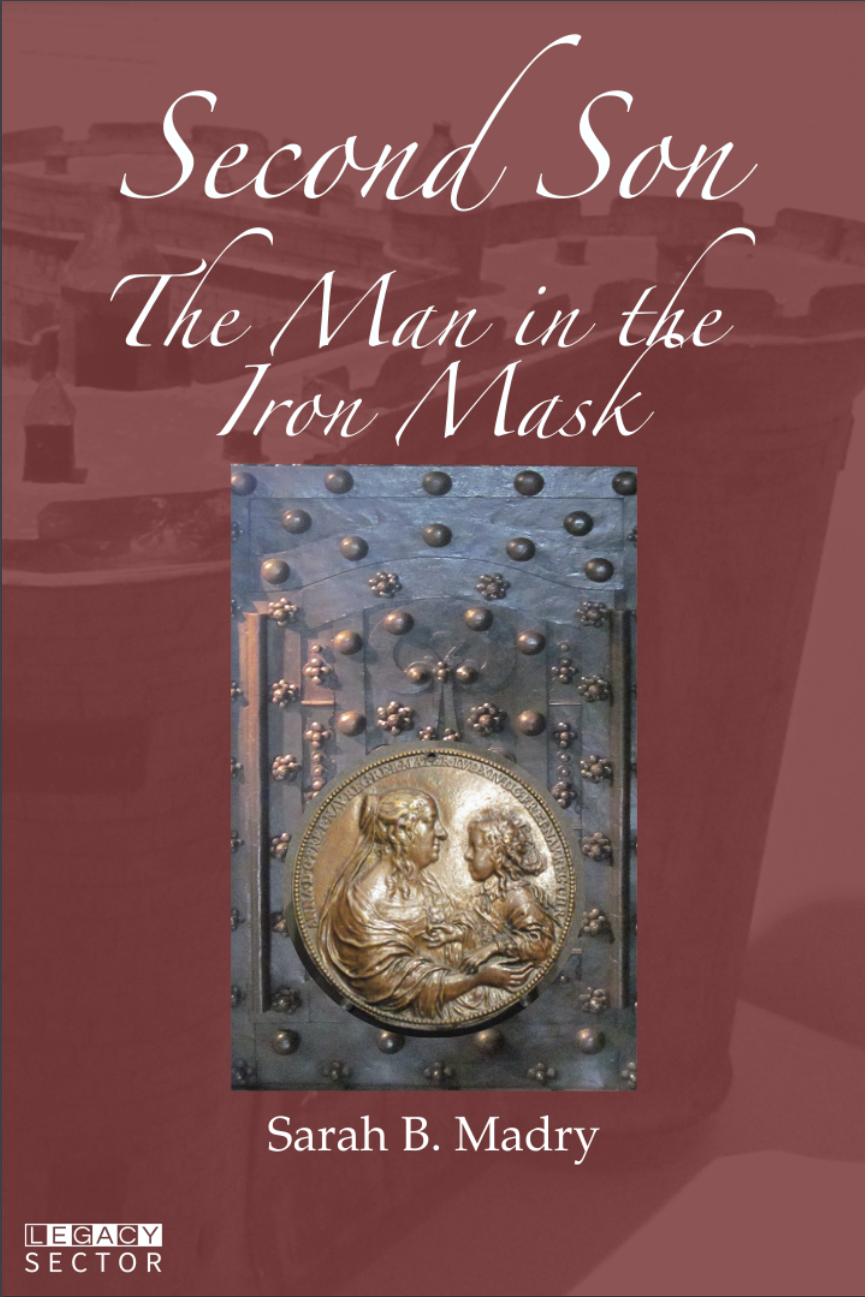
Sarah Madry has written a bold and revelatory answer to those who have said the mystery of the Man in the Iron Mask will never be solved. The masked prisoner, arrested by lettre de cachet personally dictated and signed by Louis XIV, was named Eustache Dauger. The king kept Dauger in prison for thirty-four years from 1669 to his death in the Bastille in November 1703. No one knows why he was arrested, why he was never killed but instead treated compassionately and kept for life in the most secure prison cells ever created in the Ancien Régime.
Sarah Madry spent fifteen years analyzing the cold case and traveled to France eight times to look at handwritten manuscripts, sixteenth century medical encyclopedias, old primers on poison, and testaments of kings and princes. She used old French maps to direct her to remote farmhouses in the countryside, queried French departmental archivists, interrupted the afternoons of curators of the Museum of the History of Paris, and waited for church services to end before walking up the aisle to ask the priest about what was buried in the crypt. Her theories are entirely different from anything before written because her interdisciplinary approach brought the history of medicine and the culture of seventeenth-century France to help untangle the many clues in the original documents that were always available, but never seen as useful.
Finally, Second Son is about the salvation, by any means necessary, of a royal dynasty that had ceased producing heirs. If Madry’s theory that Queen Anne of Austria’s plot to secure the continuation of the Bourbon dynasty succeeded, when kings and armies could not, is correct, historians will have much to reconsider.
Introductory Essay
Chapter 1: The Arrest
Chapter 1: Archives & Documents
Chapter 1: Historical Evidence
Chapter 3: The Valet